
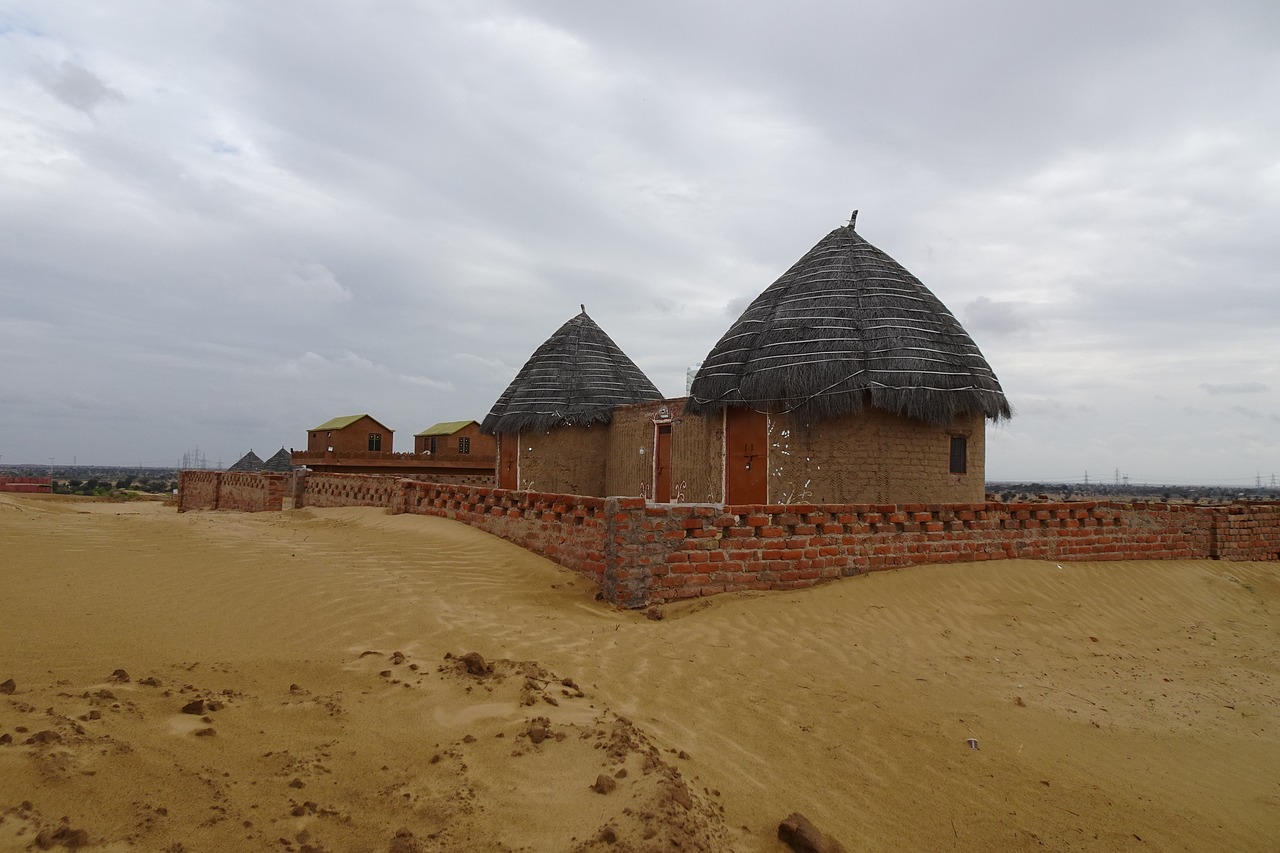
Rajasthan, India’s largest state by area, is globally renowned for its rich history, royal heritage, colorful culture, deserts, wildlife, and architectural marvels. From the magnificent forts of Jaipur, Jodhpur, and Jaisalmer to the serene lakes of Udaipur and the vibrant fairs of Pushkar, Rajasthan attracts millions of tourists every year. Tourism is a major pillar of the state’s economy, generating employment and income for a large section of the population. However, the rapid growth of tourism has also led to environmental degradation, cultural commodification, and pressure on local resources. In this context, sustainable tourism has emerged as a vital approach to ensure balanced development while preserving Rajasthan’s natural and cultural heritage for future generations.
Concept of Sustainable Tourism
Sustainable tourism refers to tourism that meets the needs of present tourists and host communities while safeguarding environmental, social, and economic resources for the future. It emphasizes responsible travel, conservation of biodiversity, respect for local cultures, and equitable economic benefits. In Rajasthan, sustainable tourism aims to address the challenges posed by mass tourism while maintaining the state’s appeal as a global tourist destination.
Importance of Tourism in Rajasthan
Tourism plays a crucial role in Rajasthan’s economic development. It contributes significantly to state revenue, foreign exchange earnings, and employment generation. The sector supports a wide range of industries, including hospitality, transport, handicrafts, textiles, folk arts, and food services. Cities like Jaipur, Udaipur, Jodhpur, and Jaisalmer have experienced rapid growth due to tourism. However, this growth has also increased pressure on infrastructure, water resources, heritage sites, and local communities, making sustainable tourism practices essential.
Environmental Sustainability in Rajasthan
Rajasthan has a fragile natural environment characterized by arid and semi-arid regions, deserts, forests, and wildlife habitats. Popular tourist destinations such as the Thar Desert, Ranthambore National Park, Sariska Tiger Reserve, and Keoladeo Ghana Bird Sanctuary face environmental challenges due to excessive tourist activity. Issues such as water scarcity, waste accumulation, air pollution, and disturbance to wildlife have become increasingly prominent.
Sustainable tourism promotes eco-friendly practices to minimize environmental impact. Many hotels and resorts in Rajasthan have adopted measures such as rainwater harvesting, solar energy utilization, wastewater recycling, and waste segregation. Eco-resorts and nature camps focus on low-impact tourism and environmental education. Regulations on safari timings, vehicle movement, and visitor numbers in wildlife sanctuaries help protect biodiversity and ensure ecological balance.
Conservation of Cultural Heritage
Rajasthan’s cultural heritage is one of its greatest attractions. The state is home to numerous forts, palaces, havelis, temples, and stepwells, many of which are UNESCO World Heritage Sites. Traditional music, dance forms like Ghoomar and Kalbeliya, colorful festivals, and indigenous crafts add to Rajasthan’s cultural richness. However, unchecked tourism can lead to deterioration of monuments and commercialization of traditions.
Sustainable tourism emphasizes the preservation and responsible use of cultural resources. Heritage conservation projects focus on restoring monuments while maintaining their historical authenticity. Adaptive reuse of heritage structures, such as converting palaces and havelis into heritage hotels, generates funds for conservation while providing tourists with authentic cultural experiences. Responsible management of festivals and fairs ensures that local traditions are showcased without exploitation.
Community-Based Tourism and Social Sustainability
Community participation is a cornerstone of sustainable tourism in Rajasthan. Involving local communities in tourism planning and management ensures that benefits are equitably distributed and cultural identity is preserved. Rural tourism initiatives and village homestays allow tourists to experience traditional lifestyles while providing income to local families.
Artisans, weavers, potters, and folk performers benefit from tourism through the sale of handicrafts and cultural performances. Women’s self-help groups and cooperatives play an important role in promoting traditional crafts and entrepreneurship. By providing alternative livelihood opportunities, sustainable tourism helps reduce poverty and migration from rural areas to cities.
Economic Sustainability
Sustainable tourism contributes to long-term economic growth by promoting inclusive development. Instead of relying solely on large-scale tourism infrastructure, it encourages local entrepreneurship and small businesses. Local guides, transport operators, food vendors, and artisans benefit directly from tourism-related activities.
The Rajasthan government has introduced various policies and initiatives to promote sustainable tourism, including skill development programs, promotion of lesser-known destinations, and support for eco-tourism and rural tourism projects. Diversifying tourism beyond major cities helps reduce overcrowding and spreads economic benefits across the state.
Challenges to Sustainable Tourism in Rajasthan
Despite its potential, sustainable tourism in Rajasthan faces several challenges. Over-tourism at popular sites leads to congestion, pollution, and degradation of heritage monuments. Water scarcity remains a critical issue, particularly in desert regions, where tourism increases demand for limited resources. Climate change has intensified extreme weather conditions, affecting both tourism and local livelihoods.
Lack of awareness among tourists and insufficient enforcement of regulations also hinder sustainable practices. Inadequate infrastructure in rural areas and limited community participation in decision-making processes further complicate the situation. Addressing these challenges requires coordinated efforts from government authorities, private stakeholders, local communities, and tourists.
Role of Government and Stakeholders
The government plays a key role in promoting sustainable tourism through policy formulation, infrastructure development, and awareness campaigns. Public-private partnerships can help implement eco-friendly technologies and conservation initiatives. Educational programs and responsible tourism guidelines encourage tourists to respect local culture and environment.
Tour operators, hotel owners, and tourists themselves have a responsibility to adopt sustainable practices. Choosing eco-friendly accommodations, minimizing waste, conserving water, and respecting local traditions contribute to sustainable tourism outcomes.