
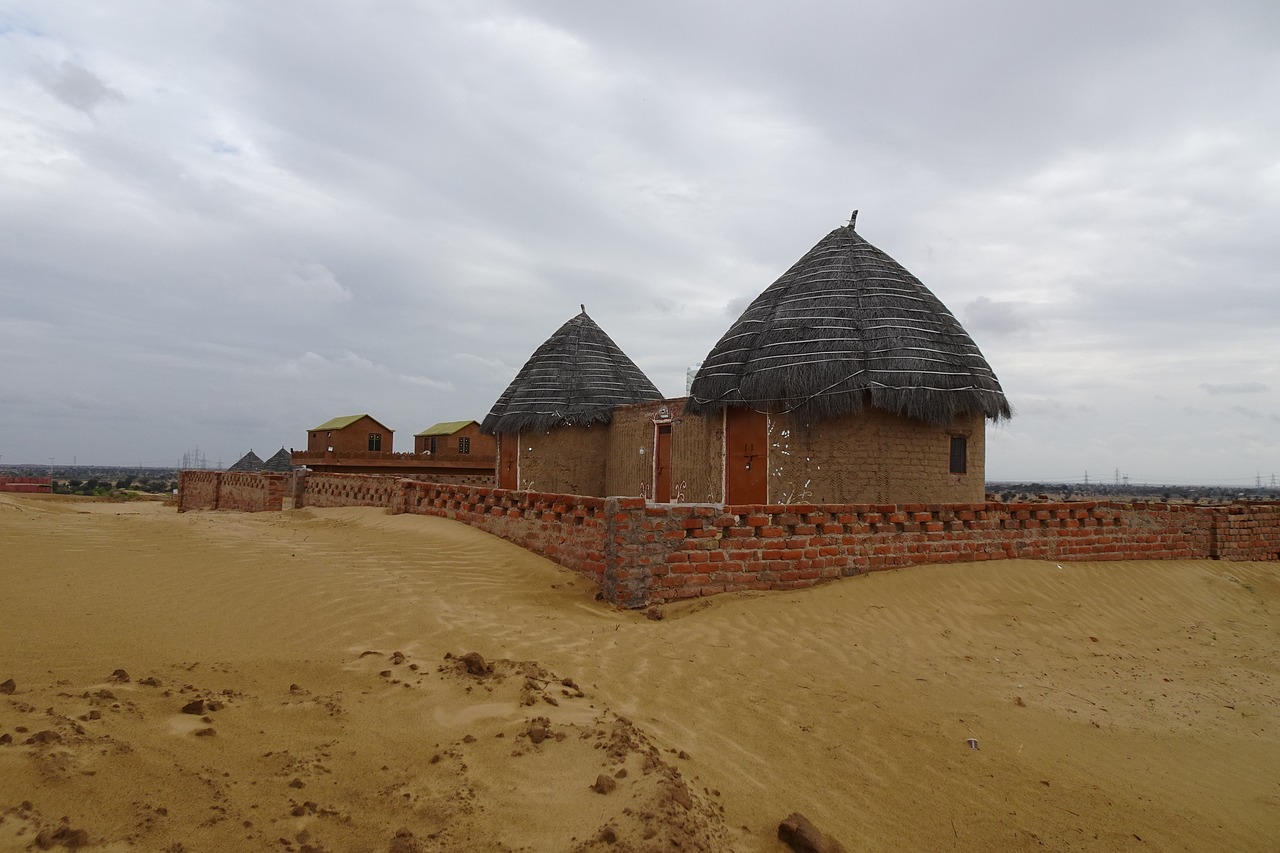
Rajasthan is widely known for its royal palaces, forts, deserts, and colorful culture, but agriculture remains the backbone of its rural economy. Despite the arid climate and limited water resources, farming has shaped the lifestyle, traditions, and economy of the state for centuries. Agro-tourism in Rajasthan is an emerging form of tourism that connects agriculture with tourism by allowing visitors to experience rural farming life, traditional practices, and local culture. It offers farmers an additional source of income while promoting sustainable rural development.
Concept of Agro-Tourism
Agro-tourism refers to tourism activities carried out on farms or in agricultural areas where tourists participate in or observe farming activities. It provides visitors with hands-on experiences such as crop cultivation, livestock care, organic farming, and traditional food preparation. In Rajasthan, agro-tourism includes farm stays, visits to organic farms, camel and cattle rearing experiences, dairy farming, spice cultivation, and participation in seasonal agricultural activities. This form of tourism promotes awareness about farming practices and rural life.
Importance of Agro-Tourism in Rajasthan
Agriculture in Rajasthan is often affected by droughts, erratic rainfall, and low productivity. Agro-tourism offers farmers a supplementary source of income, reducing their dependence solely on farming. It helps stabilize rural incomes and encourages farmers to preserve traditional agricultural practices. Agro-tourism also reduces rural-urban migration by creating employment opportunities within villages.
For tourists, agro-tourism provides a peaceful and educational experience away from crowded cities. It allows them to understand the challenges faced by farmers and appreciate the importance of agriculture in daily life.
Agricultural Practices and Experiences
Rajasthan’s agro-tourism showcases unique farming practices adapted to arid conditions. Tourists can observe and participate in the cultivation of crops such as bajra, jowar, wheat, mustard, pulses, and spices. Traditional irrigation methods, water conservation techniques, and rain-fed farming systems highlight the ingenuity of rural communities.
Livestock farming is an important part of agro-tourism in Rajasthan. Camel rearing in desert regions, cattle and goat farming, and dairy activities offer interactive experiences for visitors. Tourists can also enjoy milking cows, making butter and ghee, and tasting fresh dairy products.
Cultural and Educational Value
Agro-tourism in Rajasthan is closely linked with rural culture and traditions. Visitors experience folk music, dance, traditional attire, and local festivals celebrated in villages. Farm-based activities such as cooking traditional Rajasthani dishes, grinding grains, and participating in harvest festivals create cultural exchange between tourists and local communities.
Educational tours for students are an important aspect of agro-tourism. Schools and colleges organize farm visits to help students learn about agriculture, sustainability, organic farming, and environmental conservation. This promotes respect for farmers and rural life.
Economic and Social Benefits
Agro-tourism generates employment opportunities for rural youth, women, and marginal farmers. Farm stays, local guides, food services, handicraft sales, and cultural performances contribute to income generation. Women benefit by managing homestays, preparing traditional food, and producing handicrafts, leading to social empowerment.
Local markets also benefit as tourists purchase agricultural products such as grains, spices, honey, pickles, and handicrafts directly from farmers. This strengthens the rural economy and ensures fair prices for producers.
Environmental Sustainability
Agro-tourism encourages sustainable agricultural practices and environmental awareness. Organic farming, natural fertilizers, crop diversification, and water conservation methods are promoted through tourist interactions. Traditional knowledge related to soil management and water harvesting is preserved and shared.
Low-impact tourism activities minimize environmental damage and promote harmony between tourism and nature. Tourists are encouraged to respect natural resources and rural ecosystems.
Challenges of Agro-Tourism in Rajasthan
Despite its potential, agro-tourism in Rajasthan faces several challenges. Limited infrastructure, poor connectivity, lack of accommodation facilities, and insufficient marketing restrict growth. Farmers may lack training in hospitality, tourism management, and communication skills. Water scarcity and climate change further affect agricultural activities.
Government support, training programs, and awareness campaigns are necessary to overcome these challenges and promote agro-tourism effectively.