
Rajasthan, the largest state of India and popularly known as the Land of Kings, is a vibrant blend of history, culture, architecture, and natural beauty. From majestic forts to tranquil lakes, from golden deserts to sacred pilgrimage sites, Rajasthan offers an unforgettable experience to travelers from all over the world. Its major tourist centers capture the grandeur of Rajputana heritage while also highlighting the state’s living traditions, colorful festivals, and unique landscapes. The following are the major tourist centers of Rajasthan, each contributing in its own way to the state’s timeless charm.
One of the most prominent tourist destinations is Jaipur, the capital city, famously called the Pink City. Built by Maharaja Sawai Jai Singh II, Jaipur is a planned city renowned for its architectural harmony and vibrant streets. The iconic Hawa Mahal, with its lattice of hundreds of jharokhas, stands as the most recognizable structure of the city. Equally captivating is the Amber Fort, a UNESCO World Heritage Site that showcases a blend of Mughal and Rajput architecture. The City Palace, Jantar Mantar, bustling markets of Johari and Bapu Bazaar, and the lively cultural evenings at Chokhi Dhani all make Jaipur a must-visit destination for history lovers and cultural enthusiasts.
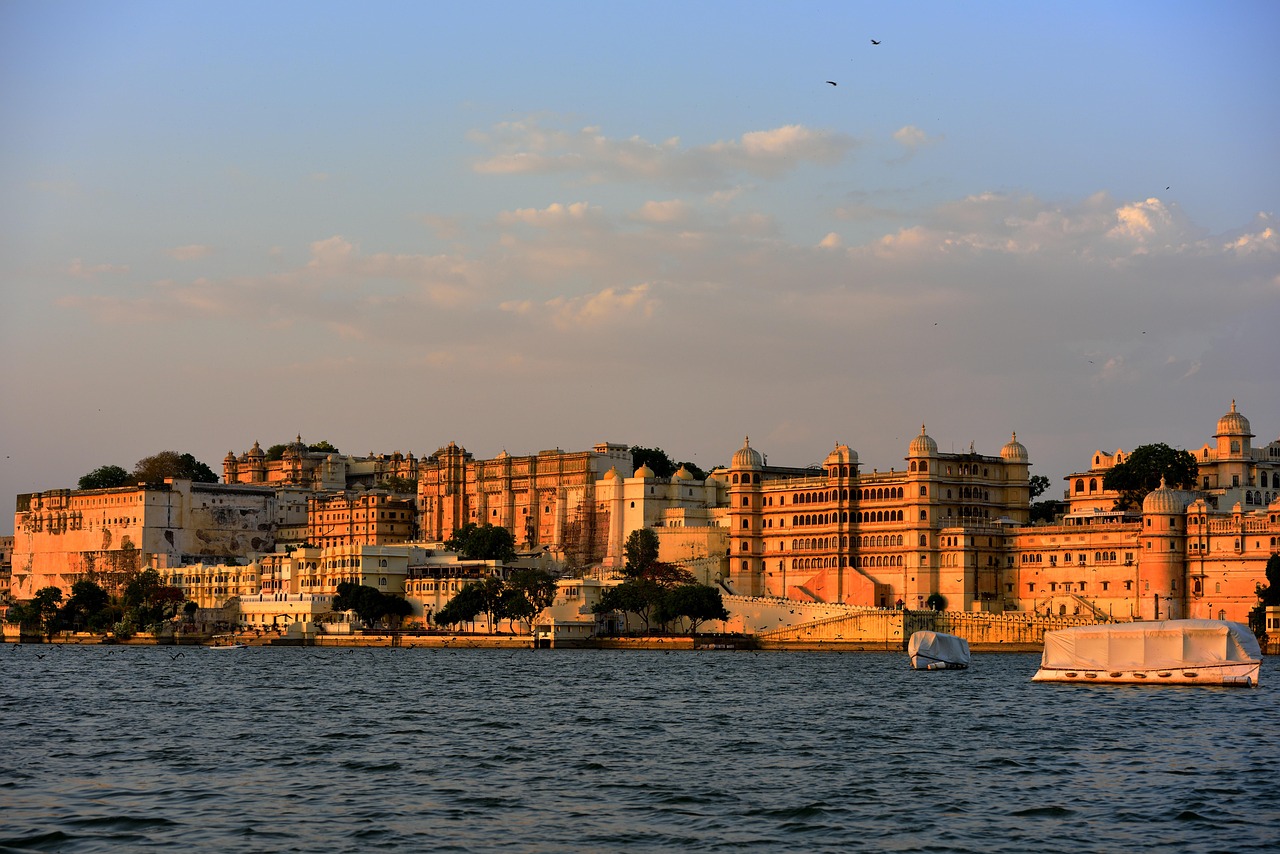
Moving southward, Udaipur emerges as the City of Lakes, often considered one of the most romantic places in India. Set against the backdrop of the Aravalli hills, Udaipur’s beauty lies in its shimmering lakes such as Lake Pichola, Fateh Sagar, and Jaisamand Lake. The majestic City Palace complex, one of the largest in Rajasthan, towers over Lake Pichola and reflects the opulence of the Mewar dynasty. The ethereal Lake Palace, now a luxury hotel, appears to float peacefully on the lake’s surface. Udaipur’s vibrant old city, ornate temples, and serene ghats immerse visitors in a calm yet culturally rich environment.
The desert city of Jodhpur, known as the Blue City because of its indigo-colored old houses, is another major tourist hub. The mighty Mehrangarh Fort, rising dramatically from a hilltop, is one of the most formidable forts in India and offers panoramic views of the blue-washed city below. Umaid Bhawan Palace, part palace and part heritage hotel, showcases a blend of European and Rajput architectural styles. Jodhpur’s bustling markets, traditional handicrafts, and local delicacies like mirchi bada and mawa kachori make it an exciting destination for travelers seeking culture and adventure.
Further into the Thar Desert lies Jaisalmer, the Golden City, named for its yellow sandstone architecture that glows beautifully under the sun. The magnificent Jaisalmer Fort, also known as Sonar Quila, is one of the few living forts in the world, still home to thousands of residents. Inside the fort, intricately carved havelis such as Patwon ki Haveli, Nathmal ki Haveli, and Salim Singh ki Haveli showcase the craftsmanship of medieval times. The nearby Sam Sand Dunes offer camel safaris, desert camping, folk music, and dance—creating an immersive desert experience that is uniquely Rajasthani.
Another major tourist center is Bikaner, famous for its well-preserved forts, temples, and traditional sweets. The impressive Junagarh Fort, unlike most forts in Rajasthan, was built on the plains rather than a hill, and it stands as a testament to Bikaner’s architectural excellence. The city is also known for the Karni Mata Temple at Deshnoke, popularly called the Rat Temple, where thousands of rats are revered. The National Research Centre on Camel, offering insights into camel breeding and camel milk products, adds a distinctive dimension to Bikaner tourism.
Pushkar is one of the most sacred towns of the state and a major pilgrimage destination. Nestled around the holy Pushkar Lake, the city is home to the famous Brahma Temple, one of the few temples in the world dedicated to Lord Brahma. Pushkar hosts the internationally renowned Pushkar Camel Fair, a spectacle of culture, trade, competitions, and folk performances that attracts visitors and photographers from across the globe.
Nearby Ajmer is another significant tourist and pilgrimage center. The Ajmer Sharif Dargah, the shrine of the Sufi saint Khwaja Moinuddin Chishti, draws millions of devotees of all faiths every year. Ajmer also features the serene Ana Sagar Lake and the ancient Taragarh Fort, making it an important spiritual and historical destination.
For wildlife lovers, Ranthambore National Park in Sawai Madhopur is one of India’s most famous tiger reserves. The park, dotted with ancient ruins and lakes, offers excellent opportunities to spot Bengal tigers, leopards, and diverse bird species. Sariska Tiger Reserve in Alwar and Keoladeo National Park in Bharatpur, a UNESCO World Heritage Site known for its migratory birds, further enrich Rajasthan’s wildlife tourism.
Other significant tourist centers include Chittorgarh, known for its massive fort symbolizing Rajput valour; Mount Abu, the state’s only hill station famous for the pristine Dilwara Temples; Kumbhalgarh, home to the second-longest wall in the world; and Shekhawati, renowned for its painted havelis and frescoes.