
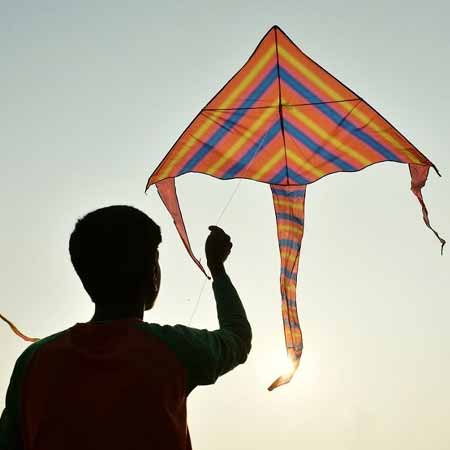
The Kite Festival in Jaipur is one of the most colorful and lively celebrations in Rajasthan, marking the arrival of Makar Sankranti, a major Hindu festival observed every year in mid-January. Known locally as Patang Utsav, the festival transforms the Pink City into a vibrant sky filled with thousands of kites of different shapes, sizes, and colors. It reflects Jaipur’s rich cultural heritage, community spirit, and love for traditional festivities.
Celebration Date and Significance
The Kite Festival in Jaipur is celebrated annually on 14 January, coinciding with Makar Sankranti, when the Sun enters the zodiac sign Capricorn (Makara). This astronomical transition symbolizes the end of winter and the beginning of longer, warmer days. Makar Sankranti is considered highly auspicious across India and is associated with prosperity, new beginnings, and gratitude for the harvest.
In Jaipur, the festival usually extends over two days (14–15 January), with kite flying dominating the daytime and cultural events taking place in the evenings. The celebration blends religious significance with joyful social activities, making it one of the most awaited events of the year.
Major Locations for Kite Flying
During the festival, almost every rooftop in Jaipur becomes a kite-flying arena. However, some locations are especially famous for their festive atmosphere:
- Nahargarh Fort area – Offers panoramic views of the city filled with kites
- Chandpole and Sanganeri Gate – Known for competitive kite flying
- Tripolia and Johari Bazaar – Bustling areas where locals and visitors gather
- Rooftops of the old city – The heart of traditional kite battles
In addition to neighborhood celebrations, the Rajasthan Tourism Department often organizes official kite-flying events and cultural programs at designated grounds, attracting tourists from India and abroad.
Cultural Activities and Festive Food
Kite flying is accompanied by loud cheers, traditional music, and friendly rivalries. People shout popular phrases like “Kai Po Che!” when cutting an opponent’s kite. As evening falls, illuminated paper lanterns and firecrackers light up the sky, adding to the festive charm.
Food plays an important role in the celebrations. Special dishes prepared during Makar Sankranti include til-gul laddoos, ghewar, khichda, and sesame-based sweets, which are believed to bring warmth and good health during winter. Families and neighbors exchange sweets as a symbol of harmony and goodwill.
Tourism and Cultural Importance
The Kite Festival has become a major tourist attraction in Jaipur. Travelers experience not only kite flying but also folk performances, puppet shows, and traditional Rajasthani hospitality. The festival showcases Jaipur’s ability to preserve tradition while welcoming modern celebrations.