
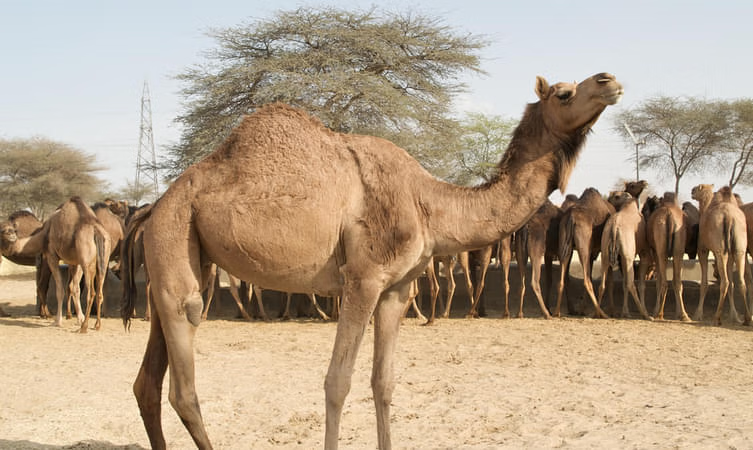
The Bikaner Camel Festival is one of the most distinctive and vibrant festivals of Rajasthan, celebrated with great enthusiasm in the desert city of Bikaner. Dedicated to the camel, an animal that has been the backbone of desert life for centuries, this festival beautifully showcases the culture, traditions, and heritage of the Thar Desert. Usually held in the month of January, the festival draws tourists, photographers, researchers, and culture lovers from across India and the world. Through colorful processions, competitions, music, dance, food, and crafts, the Bikaner Camel Festival brings the spirit of Rajasthan’s desert traditions to life.
Bikaner has a deep historical connection with camels. Located in the arid region of western Rajasthan, the city has long depended on camels for transportation, agriculture, trade, and even warfare in earlier times. Camels are known for their strength, endurance, and ability to survive in extreme desert conditions, which is why they are often called the “Ship of the Desert.” In recognition of their importance, the people of Bikaner celebrate the camel not just as an animal, but as a symbol of survival, resilience, and cultural identity. The Rajasthan Tourism Department organizes the festival to promote local traditions and encourage cultural tourism.
The festival usually begins with an impressive and colorful camel procession. This opening event is one of the main highlights and instantly captures the attention of visitors. Camels are beautifully decorated with bright saddles, embroidered cloth, beads, bells, and ornaments. Some camels have artistic patterns shaved into their fur, a traditional skill passed down through generations of camel breeders. As the procession moves through the streets, it is accompanied by folk music, drumbeats, and cheering crowds, creating a lively and festive atmosphere throughout the city.
A major attraction of the Bikaner Camel Festival is the wide range of camel-related competitions. These events are both entertaining and culturally significant. Camel dancing is one of the most fascinating performances, where camels move in rhythm to traditional Rajasthani music under the guidance of their trainers. The sight of these large animals dancing gracefully surprises many visitors and leaves a lasting impression. Camel races and tug-of-war competitions add excitement and energy to the festival, while the best-decorated camel contest highlights creativity and craftsmanship.
The festival is not limited to camel events alone; it is also a grand platform for showcasing Rajasthan’s rich cultural heritage. Traditional folk dances such as Kalbelia, Ghoomar, and fire dance performances are performed by skilled artists dressed in colorful costumes. These dances reflect the stories, emotions, and lifestyle of desert communities. Folk musicians play traditional instruments like the dholak, sarangi, algoza, and khartal, filling the air with soulful melodies. Together, music and dance create an immersive cultural experience for the audience.
Food is another important part of the Bikaner Camel Festival. Visitors get the opportunity to taste authentic Rajasthani cuisine, which is known for its unique flavors and desert-inspired recipes. Popular dishes such as dal baati churma, gatte ki sabzi, ker sangri, bajre ki roti, and spicy curries are widely available at food stalls. Traditional sweets and snacks also attract food lovers. The use of local ingredients and age-old cooking methods gives visitors a true taste of Rajasthan’s culinary heritage.
The festival grounds also host handicraft exhibitions and local markets. Artisans from different parts of Rajasthan display handmade products such as leather goods, camel-hide items, jewelry, pottery, wooden crafts, and embroidered textiles. These items reflect the artistic skills and creativity of rural craftsmen. For tourists, these stalls offer a chance to buy unique souvenirs, while for local artisans, the festival provides an important source of income and recognition.
Another significant aspect of the Bikaner Camel Festival is its role in preserving and promoting traditional knowledge. Camel breeding, grooming, and training are specialized skills that have been passed down through generations. By celebrating camels and their handlers, the festival helps keep these traditions alive in a rapidly modernizing world. It also raises awareness about the importance of protecting camels, whose numbers have been declining due to changing lifestyles and reduced dependence on traditional means of transport.
The evenings during the festival are especially memorable. Cultural performances continue under the open desert sky, often illuminated by lights and the moon. The cool desert breeze, rhythmic music, and glowing decorations create a magical atmosphere. The concluding ceremony brings together artists, performers, locals, and tourists, leaving everyone with unforgettable memories of desert life and culture.
Beyond entertainment, the Bikaner Camel Festival plays an important role in promoting tourism and strengthening the local economy. Hotels, transport services, guides, and small businesses benefit from the large number of visitors. The festival also helps place Bikaner on the global tourism map, encouraging travelers to explore other historical attractions in the city, such as Junagarh Fort, Lalgarh Palace, and nearby desert landscapes.
In conclusion, the Bikaner Camel Festival is much more than a celebration of an animal. It is a vibrant expression of Rajasthan’s desert culture, history, and way of life. By honoring the camel and showcasing traditional art, music, food, and crafts, the festival connects the past with the present. It reminds people of the close relationship between humans and nature in desert regions. For anyone seeking a unique cultural experience, the Bikaner Camel Festival offers a deep and colorful insight into the heart of Rajasthan’s desert traditions.