
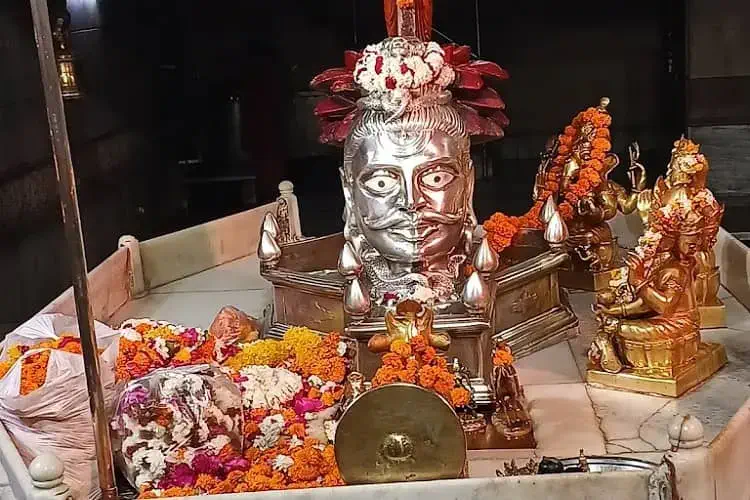
Situated near the historic Agra Fort, Mankameshwar Temple is one of the oldest and most revered Hindu temples in Agra. Dedicated to Lord Shiva, the temple holds immense religious, historical, and cultural significance. For centuries, it has been a center of faith where devotees gather to seek blessings, fulfill wishes, and experience spiritual peace amid the busy streets of the city.
The name “Mankameshwar” is derived from two Sanskrit words: man (heart or mind) and kameshwar (the Lord who fulfills desires). It is widely believed that sincere prayers offered here lead to the fulfillment of heartfelt wishes. This belief draws a steady stream of devotees from Agra and surrounding regions throughout the year.
According to legend, Mankameshwar Temple is associated with the Mahabharata period. It is believed that Lord Krishna himself installed the Shiva Lingam at this site while visiting Agra with the Pandavas. The temple’s proximity to Agra Fort strengthens its historical relevance, as the area has been a spiritual center long before the Mughal era transformed Agra into a political capital.
The temple’s architecture is simple yet deeply symbolic. At its heart lies the sacred Shiva Lingam, enshrined in the sanctum and bathed daily with holy water, milk, and offerings by priests and devotees. The inner sanctum exudes a powerful spiritual aura, enhanced by the continuous chanting of “Om Namah Shivaya.” Surrounding the main shrine are smaller idols of other Hindu deities, adding to the temple’s religious richness.
One of the most significant times to visit Mankameshwar Temple is during the holy month of Shravan (July–August), which is considered especially auspicious for Lord Shiva. During this period, the temple comes alive with devotion. Devotees observe fasts, offer Ganga water, and participate in special prayers and rituals. Mondays of Shravan witness particularly large gatherings, as they are believed to be highly favorable for worshipping Shiva.
Another major festival celebrated here is Mahashivratri, when thousands of devotees visit the temple to offer prayers throughout the day and night. The atmosphere during this festival is charged with devotion, music, and spiritual energy. The temple is beautifully decorated, and special aartis are performed, making it a memorable experience for visitors.
Despite being located in a crowded area near the fort, Mankameshwar Temple offers a surprising sense of calm once inside. The rhythmic ringing of bells, fragrance of incense, and collective prayers create an environment that allows devotees to disconnect from worldly concerns and focus inward. This spiritual tranquility is one of the temple’s most cherished aspects.
Mankameshwar Temple is not only a place of worship but also a symbol of Agra’s ancient spiritual heritage, which predates its Mughal monuments. While Agra is globally famous for the Taj Mahal, sites like Mankameshwar remind visitors that the city has long been a melting pot of cultures, religions, and traditions.
The temple is easily accessible and open daily, making it a convenient stop for pilgrims and tourists alike. Visitors are advised to dress modestly and be mindful of temple customs. Early mornings and evenings are considered the best times for darshan, especially for those seeking a quieter experience.
In essence, Mankameshwar Temple stands as a timeless spiritual landmark in Agra. It offers faith, history, and inner peace to all who visit. Whether one comes with deep devotion or simple curiosity, the temple leaves a lasting impression, reinforcing the belief that true spirituality transcends time and place.