
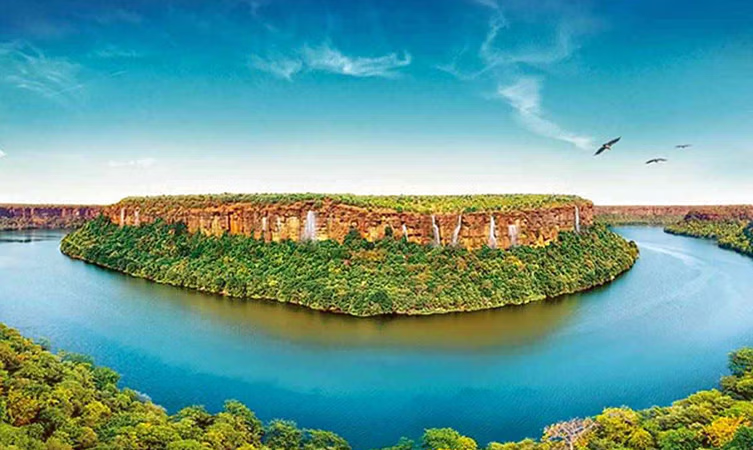
Rajasthan, known for its majestic forts, vibrant culture, and vast desert landscapes, is one of India’s most popular travel destinations. However, tourism can also put pressure on natural resources and local communities. By adopting sustainable travel practices, visitors can explore Rajasthan responsibly while helping preserve its heritage and environment. Here’s an eco-friendly guide to traveling sustainably in this colorful state.
Choose Eco-Friendly Accommodation
One of the best ways to travel sustainably is by staying in eco-friendly hotels or heritage properties that focus on conservation. Many accommodations in cities like Jaipur, Udaipur, and Jaisalmer now use solar energy, rainwater harvesting, and waste-reduction systems. Heritage havelis and eco-resorts often support local employment and use traditional architecture that naturally regulates temperature, reducing energy consumption. Before booking, look for properties that promote responsible tourism or have sustainability certifications.
Travel by Train or Shared Transport
Transportation contributes significantly to a traveler’s carbon footprint. Rajasthan has a well-connected railway network that links major cities such as Jodhpur and Bikaner. Traveling by train instead of private cars or short flights can reduce emissions and offer scenic views of the desert landscape.
Within cities, consider using shared taxis, bicycles, or walking tours. Some cities, especially Jaipur, also offer electric rickshaws and guided cycling tours, which are both eco-friendly and immersive ways to explore local neighborhoods.
Support Local Businesses and Artisans
Sustainable tourism also means supporting the local economy. Rajasthan is famous for its handicrafts, textiles, pottery, and jewelry. When shopping, buy directly from local artisans or small markets rather than mass-produced souvenirs. This ensures your money goes directly to craftspeople who preserve traditional skills.
Local markets in places like Udaipur and Jodhpur are great spots to find handmade items such as block-printed fabrics, blue pottery, and leather goods. Supporting these artisans helps keep centuries-old traditions alive while promoting fair trade.
Respect Wildlife and Natural Ecosystems
Rajasthan is home to several wildlife reserves and unique desert ecosystems. When visiting parks such as Ranthambore National Park or Desert National Park, follow park guidelines and maintain a respectful distance from animals. Avoid feeding wildlife or disturbing natural habitats.
Choose responsible safari operators who follow ethical practices and limit vehicle numbers in sensitive areas. Respecting these rules helps protect endangered species and maintains the ecological balance of these fragile environments.
Reduce Plastic Waste
Plastic waste is a growing environmental issue in many tourist destinations. Carry a reusable water bottle, cloth shopping bag, and reusable utensils whenever possible. Many hotels and cafés in cities like Pushkar and Jaipur now offer filtered water refill stations for travelers.
Avoid single-use plastics such as bottled water, disposable cutlery, and plastic bags. Small actions like these can significantly reduce the environmental impact of tourism.
Respect Local Culture and Traditions
Responsible travel also involves cultural sensitivity. Rajasthan has a rich heritage of traditions, festivals, and religious practices. Dress modestly when visiting temples or rural villages, and always ask permission before photographing people.
Participating respectfully in cultural experiences—such as folk performances or village tours—supports community-based tourism and ensures that local traditions are celebrated rather than exploited.
Conserve Water and Energy
Rajasthan is a desert state where water conservation is extremely important. Travelers should use water responsibly by taking shorter showers, reusing towels, and turning off taps when not in use. Similarly, switching off lights, air conditioners, and electronic devices when leaving your room helps reduce energy consumption.
These small steps may seem minor but collectively make a meaningful difference in protecting Rajasthan’s limited resources.