
Rajasthan, the Land of Kings, is famous for its majestic forts, vibrant culture, golden deserts, and colorful festivals. From the pink hues of Jaipur to the blue streets of Jodhpur and the serene lakes of Udaipur, the state attracts millions of travelers every year. However, increasing tourism also brings environmental challenges such as water scarcity, waste management issues, and pressure on local ecosystems.
Traveling sustainably in Rajasthan allows you to enjoy its beauty while preserving it for future generations. Here’s your practical eco-friendly guide to exploring Rajasthan responsibly.
1. Choose Eco-Friendly Accommodations
One of the easiest ways to reduce your travel footprint is by staying in eco-conscious hotels, heritage homestays, or eco-resorts. Many properties in Rajasthan now use solar energy, practice rainwater harvesting, and minimize plastic use. Heritage havelis converted into boutique hotels often focus on preserving traditional architecture while adopting sustainable practices.
You can also consider homestays in rural areas, which not only reduce the environmental impact but also directly support local families and communities.
2. Conserve Water Mindfully
Rajasthan is one of India’s driest states, and water is extremely precious here. Tourists can help by taking shorter showers, reusing towels, and avoiding unnecessary laundry services. Carry a reusable water bottle instead of buying multiple plastic bottles. Many hotels provide filtered water refill stations.
Being mindful of water consumption is especially important in desert regions like Jaisalmer and Bikaner, where water scarcity is a serious concern.
3. Reduce Plastic Waste
Plastic waste is a growing issue in popular tourist cities such as Jaipur, Udaipur, and Pushkar. Carry reusable items like cloth shopping bags, stainless steel bottles, bamboo cutlery, and reusable straws. Refuse single-use plastics whenever possible.
Dispose of waste responsibly and use designated bins. If you’re visiting desert camps or remote areas, make sure to carry your waste back with you.
4. Support Local Artisans and Businesses
Rajasthan is renowned for its handicrafts, textiles, pottery, jewelry, and miniature paintings. Instead of buying mass-produced souvenirs, support local artisans by purchasing handmade products directly from them or from certified fair-trade stores.
Eating at locally owned restaurants and hiring local guides also helps boost the regional economy. Sustainable tourism is not just about the environment—it’s also about empowering communities.
5. Travel Responsibly in Wildlife Areas
Rajasthan is home to several wildlife sanctuaries and national parks, including Ranthambore National Park, Sariska Tiger Reserve, and Keoladeo National Park. When visiting these areas, follow park rules strictly. Avoid littering, maintain silence, and never feed animals.
Choose authorized safari operators who follow ethical wildlife practices. Responsible tourism helps protect endangered species and preserves fragile ecosystems.
6. Opt for Sustainable Transport Options
Whenever possible, use public transportation, shared cabs, or trains to reduce carbon emissions. Rajasthan has good rail connectivity between major cities like Jaipur, Jodhpur, and Udaipur. For short distances within cities, consider walking, cycling, or using electric rickshaws.
Carpooling for desert safaris or group tours can also help minimize environmental impact.
7. Respect Cultural Heritage and Traditions
Rajasthan’s heritage sites, including forts, palaces, and temples, are centuries old and require preservation. Avoid touching delicate carvings, defacing walls, or littering at monuments. Follow dress codes and local customs, particularly in religious places.
Engaging respectfully with local communities ensures cultural traditions remain intact and appreciated.
8. Choose Ethical Desert Experiences
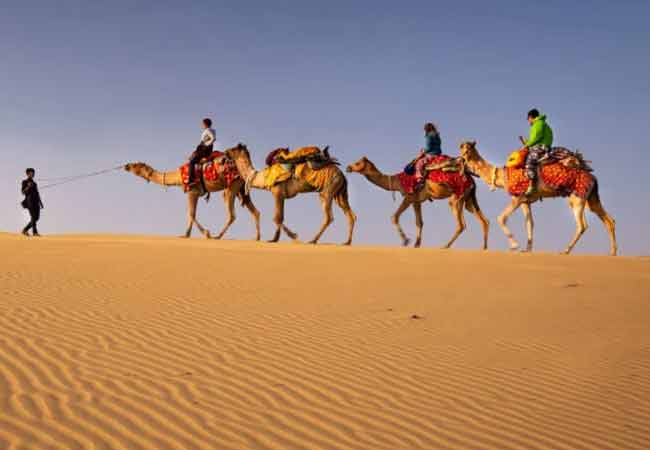
Camel safaris and desert camps are popular in Jaisalmer. Choose operators who treat animals ethically, provide proper care, and avoid overworking them. Eco-friendly desert camps that use solar lighting and proper waste management systems are better choices.
Avoid activities that harm dunes or disturb natural habitats.