
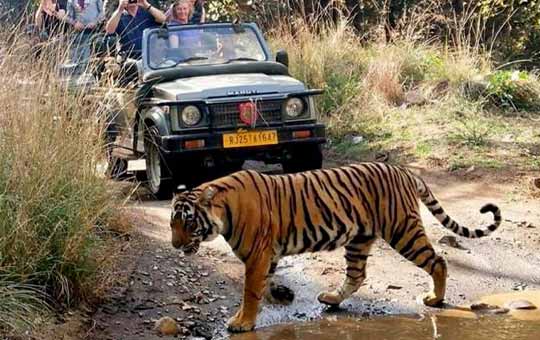
Jim Corbett National Park is more than just a famous tiger reserve—it’s a living symbol of India’s wildlife heritage. Nestled in the foothills of the Himalayas in Uttarakhand, this iconic park blends rich biodiversity, dramatic landscapes, and a fascinating history. Whether you’re a seasoned wildlife enthusiast or a curious traveler, here are 15 amazing facts about Jim Corbett National Park that make it truly special.
1. India’s Oldest National Park
Established in 1936 as Hailey National Park, Jim Corbett is the oldest national park in India, setting the foundation for wildlife conservation in the country.
2. Birthplace of Project Tiger
Corbett played a crucial role in launching Project Tiger in 1973, India’s ambitious conservation program aimed at saving the Bengal tiger from extinction.
3. Named After a Legendary Conservationist
The park is named after Jim Corbett, a British-Indian hunter-turned-conservationist who later became a passionate advocate for wildlife protection.
4. Home to Majestic Bengal Tigers
Jim Corbett is renowned for its healthy population of Royal Bengal tigers, making it one of the best places in India to spot this elusive predator.
5. Diverse Landscapes in One Park
From dense sal forests and grasslands to hills and river belts, Corbett’s varied terrain supports an incredible range of flora and fauna.
6. The Lifeline: Ramganga River
The Ramganga River flows through the park, sustaining wildlife year-round and creating prime zones for animal sightings, especially during summer.
7. More Than Tigers
While tigers steal the spotlight, Corbett is also home to Asian elephants, leopards, sloth bears, deer species, crocodiles, and otters.
8. A Birdwatcher’s Paradise
With over 600 bird species, including crested serpent eagles and great hornbills, the park is a dream destination for bird lovers.
9. Divided Into Unique Safari Zones
Corbett consists of several tourism zones—Dhikala, Bijrani, Jhirna, Dhela, and Durga Devi—each offering distinct landscapes and wildlife experiences.
10. Dhikala: The Most Famous Zone
The Dhikala Zone is the largest and most popular, known for vast grasslands and high chances of spotting tigers, elephants, and deer.
11. Rich Plant Biodiversity
The park boasts more than 600 species of plants, dominated by sal trees, which form the backbone of its forest ecosystem.
12. Night Stay Inside the Forest
Corbett is one of the few parks in India where visitors can stay inside the forest area, offering an unforgettable, immersive jungle experience.
13. Seasonal Safari Access
Most zones are open from November to June, while Jhirna and Dhela remain accessible for a longer duration due to their terrain.
14. Inspiration for Literature
Jim Corbett’s own books, like Man-Eaters of Kumaon, drew global attention to the region’s wildlife and helped shape conservation awareness.
15. A Conservation Success Story
Thanks to strict protection measures, Corbett remains a beacon of successful wildlife conservation, balancing tourism with ecological responsibility.