
Rajasthan, the largest state of India, is famous for its deserts, forts, palaces, wildlife sanctuaries, and vibrant culture. Along with its rich heritage, the state is home to diverse ecosystems such as deserts, forests, wetlands, and grasslands. Tourism plays a vital role in Rajasthan’s economy, but uncontrolled tourism can harm natural resources and wildlife. Eco-tourism has emerged as a sustainable approach to tourism that focuses on environmental conservation, community participation, and responsible travel, making it highly relevant for Rajasthan.
Concept of Eco-Tourism
Eco-tourism refers to responsible travel to natural areas that conserves the environment, supports local communities, and promotes awareness about nature and culture. It emphasizes minimal environmental impact, respect for biodiversity, and education of tourists. In Rajasthan, eco-tourism includes nature-based tourism, wildlife tourism, desert tourism, rural eco-tourism, and conservation-oriented travel experiences.
Importance of Eco-Tourism in Rajasthan
Rajasthan has several ecologically sensitive areas, including the Thar Desert, Aravalli Range, wetlands, and wildlife reserves. Eco-tourism helps protect these fragile ecosystems while allowing tourists to enjoy natural beauty responsibly. It also provides alternative livelihood opportunities for local communities, reducing dependence on activities that may harm the environment, such as deforestation or overuse of natural resources.
Wildlife and Nature-Based Eco-Tourism
Rajasthan is home to famous wildlife sanctuaries and national parks such as Ranthambore National Park, Sariska Tiger Reserve, Desert National Park, Keoladeo Ghana Bird Sanctuary, and Mount Abu Wildlife Sanctuary. Eco-tourism activities like guided safaris, bird watching, nature walks, and wildlife photography are conducted under regulated conditions to minimize disturbance to animals and habitats.
Strict rules on visitor numbers, safari routes, and timings help conserve biodiversity. Eco-tourism revenues also support conservation efforts and wildlife protection programs.
Desert Eco-Tourism
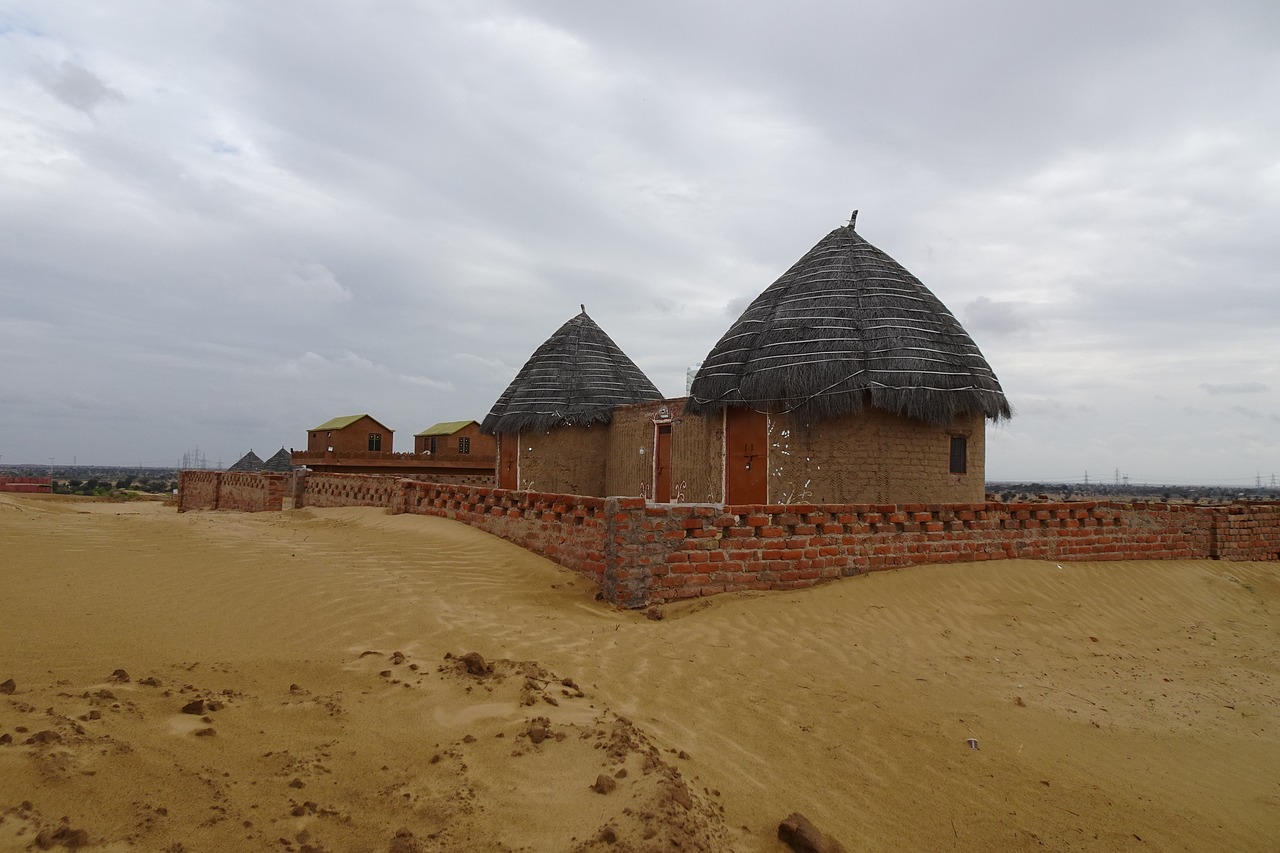
The Thar Desert is a unique ecological region with specialized flora and fauna. Desert eco-tourism promotes responsible desert safaris, camel trekking, and cultural interactions while minimizing environmental damage. Use of eco-friendly camps, controlled vehicle movement, and waste management practices help preserve the desert ecosystem.
Tourists are educated about desert ecology, water scarcity, and traditional desert lifestyles, creating awareness and appreciation for this fragile environment.
Community Participation and Cultural Preservation
Community involvement is a key aspect of eco-tourism in Rajasthan. Local communities participate as guides, hosts, artisans, and performers. Village homestays and eco-lodges provide tourists with authentic experiences while generating income for local families.
Eco-tourism supports the preservation of folk music, dance forms like Ghoomar and Kalbeliya, traditional crafts, and indigenous knowledge. Women’s self-help groups play an important role in managing eco-tourism activities, promoting social empowerment and economic independence.
Environmental Sustainability Practices
Eco-tourism in Rajasthan promotes sustainable practices such as water conservation, renewable energy use, waste management, and plastic-free tourism. Many eco-resorts and lodges use solar power, rainwater harvesting, and local building materials. Traditional water conservation systems like stepwells and johads are revived and showcased as part of eco-tourism initiatives.
Tourists are encouraged to follow responsible behavior, respect wildlife, conserve water, and reduce waste.
Role of Government and Organizations
The Rajasthan government promotes eco-tourism through policies, eco-tourism circuits, wildlife conservation programs, and community-based tourism initiatives. Training programs for local communities in hospitality, environmental awareness, and guiding services enhance the quality of eco-tourism experiences.
Collaboration between government agencies, non-governmental organizations, and private stakeholders helps ensure sustainable planning and effective implementation of eco-tourism projects.
Challenges of Eco-Tourism in Rajasthan
Despite its potential, eco-tourism in Rajasthan faces several challenges. Over-tourism at popular wildlife parks, water scarcity, climate change, inadequate infrastructure in remote areas, and lack of awareness among tourists pose significant issues. There is also a risk of commercialization and environmental degradation if eco-tourism principles are not strictly followed.
Addressing these challenges requires proper planning, strict regulation, community involvement, and continuous monitoring.