
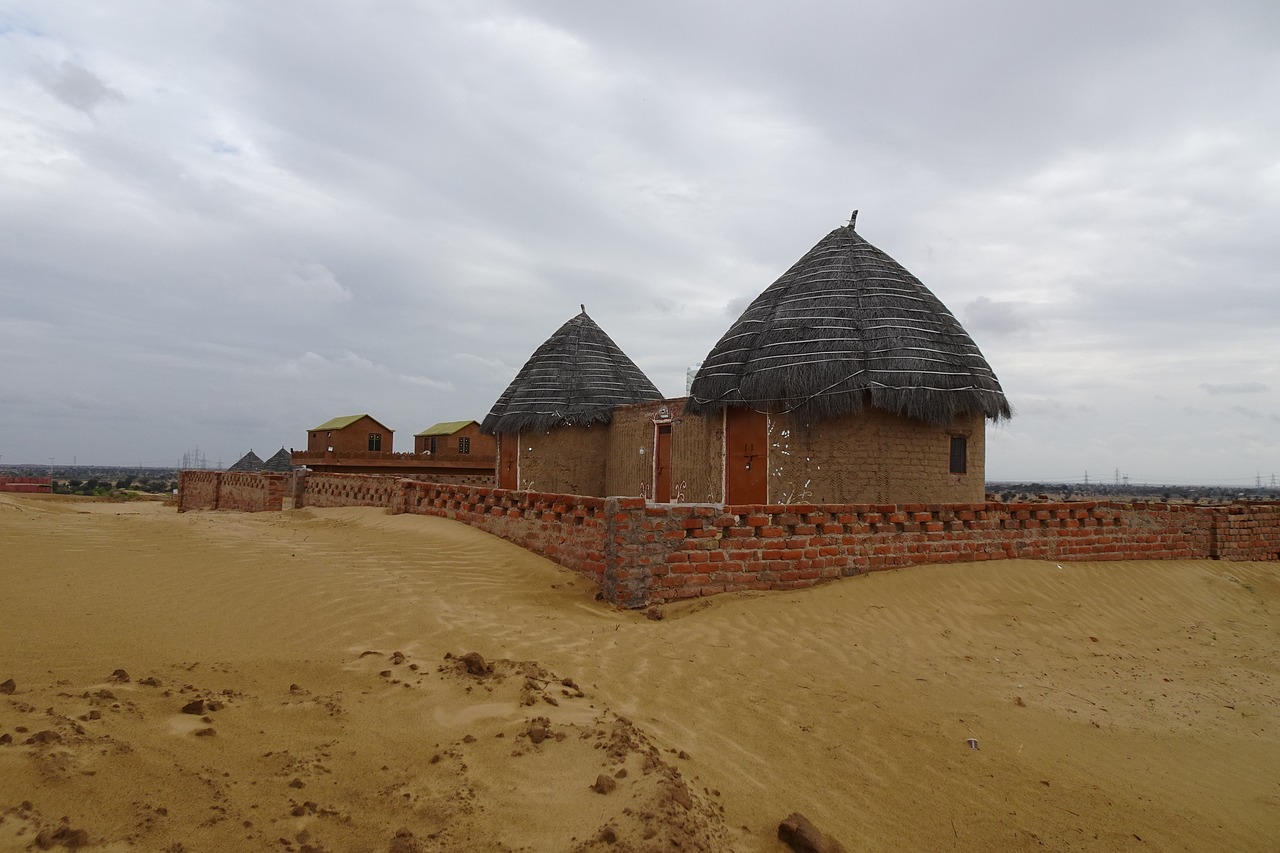
Rajasthan, famous for its royal heritage, deserts, forts, and vibrant culture, is also home to diverse rural landscapes and fragile ecosystems. Beyond its popular cities, the villages of Rajasthan reflect a harmonious relationship between people, culture, and nature. Rural eco-tourism in Rajasthan combines the principles of rural tourism and eco-tourism by promoting environmentally responsible travel in villages while ensuring the socio-economic development of local communities. It aims to conserve natural resources, preserve traditional lifestyles, and provide meaningful experiences to tourists.
Concept of Rural Eco-Tourism
Rural eco-tourism refers to tourism activities conducted in rural areas that focus on environmental conservation, cultural preservation, and community participation. It emphasizes low-impact tourism, respect for local traditions, and sustainable use of natural resources. In Rajasthan, rural eco-tourism includes village homestays, eco-resorts, nature walks, desert safaris, wildlife observation, organic farming experiences, and participation in local festivals. This form of tourism offers visitors authentic experiences while minimizing negative environmental and social impacts.
Significance of Rural Eco-Tourism in Rajasthan
Rajasthan’s rural regions face challenges such as water scarcity, limited employment opportunities, and migration to urban areas. Rural eco-tourism provides an alternative livelihood for villagers by creating employment in hospitality, guiding, handicrafts, and cultural activities. It reduces dependence on agriculture, which is often affected by drought and climate uncertainty. At the same time, eco-tourism encourages conservation of natural resources and traditional knowledge, making development more sustainable.
Environmental Conservation and Sustainability
Environmental sustainability is a core component of rural eco-tourism in Rajasthan. The state’s ecosystems, including deserts, forests, wetlands, and grasslands, are sensitive and require careful management. Eco-tourism promotes practices such as water conservation, waste management, use of renewable energy, and protection of biodiversity.
Traditional water harvesting systems like stepwells, johads, and tanks are revived and showcased through eco-tourism initiatives. Many rural eco-lodges use mud architecture, local materials, solar energy, and rainwater harvesting to reduce their ecological footprint. Activities such as bird watching, camel safaris, and nature trails are conducted responsibly to avoid disturbing wildlife and natural habitats.
Cultural Preservation and Community Participation
Rural eco-tourism in Rajasthan places strong emphasis on community participation. Local communities are actively involved in planning, managing, and benefiting from tourism activities. Village homestays allow tourists to experience traditional Rajasthani hospitality, cuisine, and daily life while providing direct income to host families.
The promotion of folk music, dance forms like Ghoomar and Kalbeliya, and traditional crafts helps preserve cultural heritage. Artisans, potters, weavers, and leather workers benefit by selling their products directly to tourists, ensuring fair compensation and recognition. Women’s self-help groups play an important role in managing homestays, preparing local food, and producing handicrafts, leading to social empowerment and financial independence.
Economic Benefits of Rural Eco-Tourism
Rural eco-tourism contributes to inclusive economic development by generating employment and supporting local enterprises. Income from tourism helps improve living standards, education, healthcare, and infrastructure in villages. Small-scale businesses such as local transport services, food outlets, and souvenir shops benefit from tourist visits.
By encouraging local ownership and entrepreneurship, eco-tourism ensures that economic benefits remain within the community rather than being dominated by external investors. This strengthens rural economies and promotes long-term sustainability.
Role of Government and Organizations
The Rajasthan government has introduced various initiatives to promote rural eco-tourism, including eco-tourism policies, rural tourism circuits, and homestay schemes. Training programs in hospitality, environmental awareness, and tourism management are provided to local communities. Collaboration with non-governmental organizations helps build capacity, promote conservation, and ensure responsible tourism practices.
Promotion through tourism fairs, digital platforms, and cultural events has increased awareness of rural eco-tourism destinations. Infrastructure development, such as improved roads and basic amenities, supports tourism growth while maintaining environmental balance.
Challenges of Rural Eco-Tourism
Despite its potential, rural eco-tourism in Rajasthan faces several challenges. Inadequate infrastructure, limited connectivity, lack of professional training, and insufficient marketing can hinder tourism growth. Water scarcity and climate change pose serious threats to rural ecosystems. There is also a risk of cultural commercialization and environmental degradation if tourism is not properly regulated.
Addressing these challenges requires effective planning, strict environmental guidelines, community awareness, and continuous monitoring. Sustainable tourism policies must be implemented with active involvement of local stakeholders.