
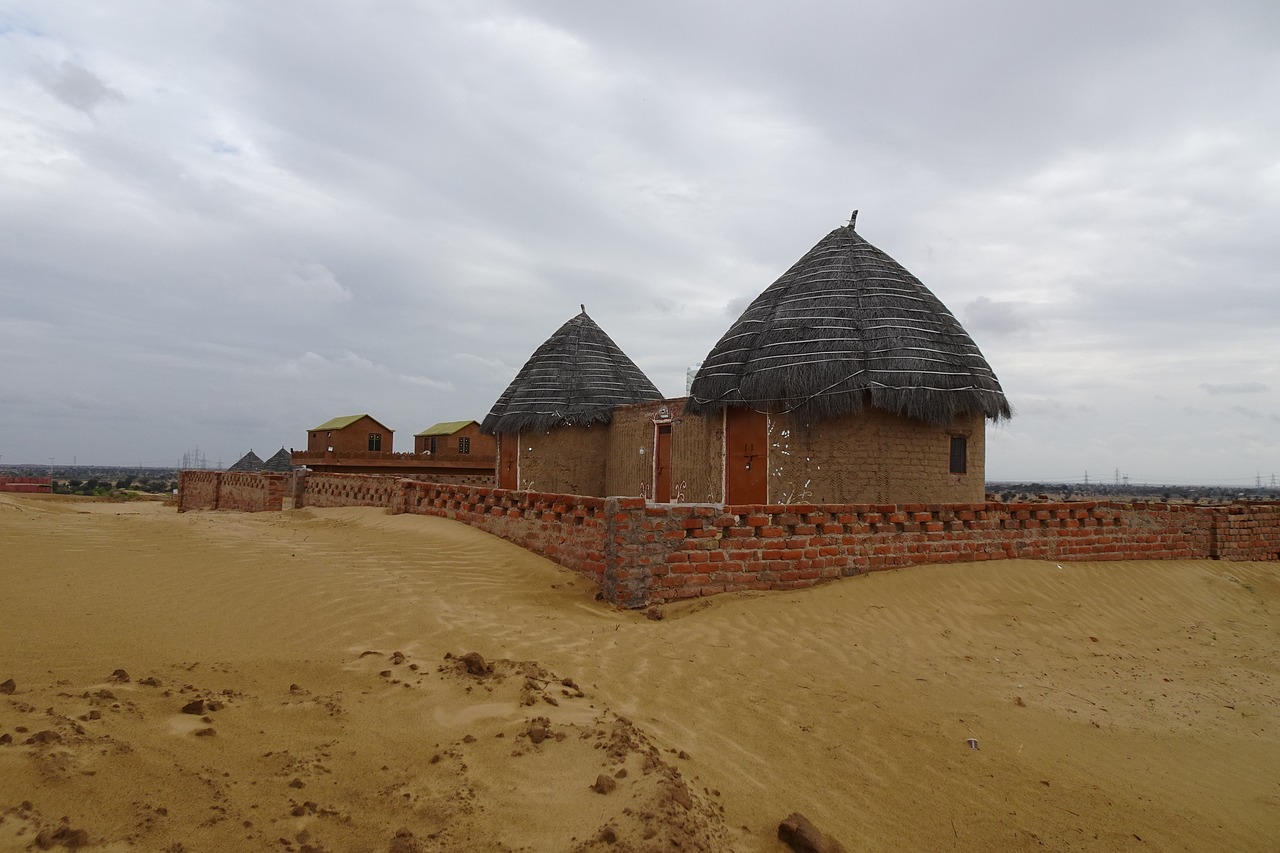
Rajasthan, known for its royal heritage, colorful culture, and vast desert landscapes, is one of India’s most popular tourist destinations. While cities like Jaipur, Udaipur, Jodhpur, and Jaisalmer attract large numbers of tourists, the true essence of Rajasthan lies in its villages. Rural tourism in Rajasthan offers visitors an opportunity to experience traditional lifestyles, local customs, folk arts, and the natural beauty of rural landscapes. At the same time, it plays an important role in promoting sustainable development and improving the socio-economic conditions of rural communities.
Concept of Rural Tourism
Rural tourism refers to tourism activities that take place in rural areas and showcase rural life, culture, agriculture, and heritage. It focuses on providing authentic experiences to tourists while ensuring economic benefits for local communities. In Rajasthan, rural tourism includes village homestays, cultural performances, craft demonstrations, farm visits, camel safaris, and participation in local festivals. This form of tourism helps preserve traditional practices and reduces the pressure on overcrowded urban tourist centers.
Importance of Rural Tourism in Rajasthan
Rajasthan has a large rural population, with many villages rich in culture, history, and traditional skills. Rural tourism provides an alternative source of income for villagers, reducing their dependence on agriculture, which is often affected by drought and uncertain rainfall. It also helps in reducing rural-urban migration by creating employment opportunities within villages. By promoting rural tourism, Rajasthan can ensure balanced regional development and inclusive growth.
Cultural and Heritage Aspects
The villages of Rajasthan are repositories of rich cultural heritage. Traditional music and dance forms such as Ghoomar, Kalbeliya, Bhavai, and Terah Taali are an integral part of rural life. Handicrafts such as pottery, block printing, blue pottery, leatherwork, embroidery, and miniature paintings are produced in many villages. Rural tourism allows visitors to witness and participate in these cultural activities, providing artisans with direct access to markets and fair prices for their products.
Many villages also have historical sites such as stepwells, temples, havelis, and forts that reflect Rajasthan’s architectural traditions. Promoting these heritage assets through rural tourism helps in their conservation and raises awareness about local history and traditions.
Economic Benefits of Rural Tourism
Rural tourism contributes significantly to the economic development of villages. Homestays and guesthouses provide income to local families, while employment is generated for guides, performers, drivers, cooks, and artisans. Small businesses such as local eateries, souvenir shops, and transport services benefit from increased tourist activity. Women, in particular, gain opportunities through handicrafts, food preparation, and hospitality services, leading to greater financial independence and empowerment.
By encouraging local entrepreneurship, rural tourism ensures that economic benefits remain within the community rather than flowing to large external investors. This inclusive approach strengthens the rural economy and improves living standards.
Environmental Sustainability
Rural tourism in Rajasthan is closely linked with environmental sustainability. Villages often have a closer relationship with nature and traditional knowledge of resource management. Eco-friendly practices such as mud houses, traditional water harvesting systems like stepwells and johads, and use of local materials are common in rural areas. Promoting low-impact tourism activities helps preserve natural resources and reduces environmental degradation.
Nature-based activities such as desert walks, bird watching, and farm experiences encourage tourists to appreciate the natural environment. Responsible tourism practices, including waste management and water conservation, are essential to ensure that tourism does not harm fragile ecosystems.
Government Initiatives and Promotion
The Rajasthan government has taken several initiatives to promote rural tourism as part of its tourism development strategy. Rural tourism circuits, village homestay schemes, and infrastructure development programs aim to improve accessibility and amenities in villages. Training programs for local communities in hospitality, language skills, and tourism management help enhance service quality and tourist satisfaction.
Collaboration between government agencies, non-governmental organizations, and local communities has strengthened rural tourism initiatives. Promotion through tourism fairs, digital platforms, and cultural festivals has increased visibility of rural destinations.
Challenges of Rural Tourism
Despite its potential, rural tourism in Rajasthan faces several challenges. Poor infrastructure, lack of connectivity, limited accommodation facilities, and inadequate sanitation can affect the tourist experience. Lack of awareness and training among local communities may lead to inconsistent service quality. Cultural dilution and commercialization are also concerns if tourism is not managed responsibly.
Seasonal tourism, water scarcity, and climate change further pose challenges to the sustainability of rural tourism. Addressing these issues requires careful planning, capacity building, and continuous monitoring.