
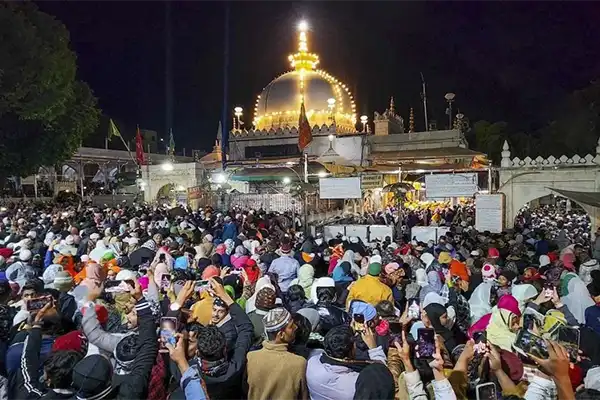
Ajmer, located in the heart of Rajasthan and surrounded by the ancient Aravalli Hills, is one of India’s most culturally rich and historically significant cities. Known for its deep spiritual roots, architectural marvels, and scenic beauty, Ajmer attracts millions of tourists, pilgrims, and history enthusiasts every year. The city embodies a harmonious blend of Hindu, Islamic, and Jain traditions, making it a vibrant tapestry of heritage and devotion. From the sacred Ajmer Sharif Dargah to sprawling lakes, ancient forts, and bustling bazaars, Ajmer offers a diverse range of attractions that appeal to all kinds of travelers.
Ajmer Sharif Dargah
The most iconic attraction of the city is undoubtedly the Ajmer Sharif Dargah, the mausoleum of Khwaja Moinuddin Chishti, a revered Sufi saint who dedicated his life to helping the poor and spreading messages of love, peace, and unity. The dargah attracts people from all religions and walks of life. Its white marble domes, intricately carved arches, and massive courtyards create a serene spiritual environment. Devotees visit the shrine to tie threads of hope, seek blessings, and listen to soul-stirring qawwalis performed by traditional Sufi musicians. During the annual Urs festival, the dargah becomes a vibrant center of devotion with thousands of pilgrims gathering to commemorate the saint’s death anniversary.
Ana Sagar Lake
One of the city’s most picturesque locations is Ana Sagar Lake, built in the 12th century by Anaji Chauhan, the grandfather of the famous king Prithviraj Chauhan. The lake offers a peaceful escape from the busy urban environment, with breathtaking views of the surrounding hills and shimmering waters. Visitors can enjoy leisurely walks around the embankment or relax in Daulat Bagh, a beautiful garden designed by Emperor Jahangir. With its calm atmosphere, scenic beauty, and opportunities for photography, Ana Sagar remains a favorite spot for families, couples, and nature lovers.
Taragarh Fort
Perched atop a steep hill and overlooking the entire city is the grand Taragarh Fort, one of India’s oldest hill forts. Built in the 8th century by the Chauhan rulers, the fort stands as a reminder of Rajput valor and their architectural genius. Although parts of the fort are in ruins today, visitors can still explore its massive gateways, underground passages, and ancient water reservoirs. The climb to Taragarh is particularly rewarding because of the panoramic views of Ajmer and its surroundings. History enthusiasts and adventure seekers often find Taragarh one of the most compelling attractions in the region.
Adhai-Din Ka Jhonpra
Another architectural landmark in Ajmer is the mysterious Adhai-Din Ka Jhonpra, a structure known for its intricate Indo-Islamic design. Originally constructed as a Sanskrit college during the Chauhan dynasty, it was later converted into a mosque by Qutb-ud-Din Aibak in the late 12th century. The monument features beautifully carved pillars, calligraphy, and arched screens that showcase the fusion of Hindu and Islamic styles. The name, which translates to “shed of two and a half days,” adds an element of intrigue, although historians believe it may refer to the short period in which parts of the structure were constructed.
Nareli Jain Temple
Situated on the outskirts of Ajmer is the stunning Nareli Jain Temple, a modern architectural marvel and an important pilgrimage site for the Jain community. The temple complex features sleek marble designs combined with traditional motifs, creating a striking visual impact. The main temple, along with several smaller temples lining the hillside, makes the site serene and spiritually uplifting. The tranquil surroundings and intricate carvings draw both devotees and tourists interested in architecture and culture.
Akbari Fort and Museum
The Akbari Fort, once the residence of Emperor Akbar and his son Prince Salim (later Emperor Jahangir), stands as a testament to the Mughal presence in Ajmer. Today, the fort houses a museum that displays an impressive collection of artifacts, including miniature paintings, ancient weapons, sculptures, and historical manuscripts. The museum provides valuable insights into the region’s Mughal and Rajput history, making it a must-visit attraction for culture enthusiasts and researchers.
Soniji Ki Nasiyan (Ajmer Jain Temple)
Also known as the Red Temple, Soniji Ki Nasiyan is a remarkable Jain temple dedicated to Lord Rishabhdev. The highlight of this temple is its Swarna Nagari (Golden City)—a hall filled with gilded wooden sculptures and dioramas depicting episodes from Jain mythology. The ornate golden structures, beautiful carvings, and peaceful ambiance make it one of the most unique attractions in Ajmer.
Lake Foy Sagar
For those seeking tranquility and natural beauty, Lake Foy Sagar is another delightful spot. Built by an English engineer, Mr. Foy, in the late 19th century to combat famine, the lake offers stunning views of the Aravalli Hills and serves as a quiet retreat away from the city. During winter, Lake Foy Sagar becomes a haven for migratory birds, making it an appealing location for bird watchers and photographers.
Local Markets and Cultural Experiences
No visit to Ajmer is complete without exploring its vibrant bazaars. Dargah Bazaar, Naya Bazaar, and Madar Gate are bustling marketplaces filled with traditional Rajasthani handicrafts, embroidered textiles, silver jewelry, perfumes, and colorful turbans. Visitors can savor local delicacies like kachoris, malpuas, biryani, and traditional sweets. The lively atmosphere of these markets offers an immersive cultural experience that reflects the spirit of Rajasthan.
Gateway to Pushkar
Ajmer also serves as the gateway to Pushkar, one of India’s most sacred towns, located just 15 kilometers away. Many tourists combine their trip to Ajmer with a visit to Pushkar’s holy lake, Brahma Temple, and annual camel fair, enriching their overall travel experience.